Inuit have been living on the Seward Peninsula of Alaska for thousands of years. They were adept at surviving in an environment considered inhospitable to most other people. There are many topics I want to cover concerning how Inuit traditionally lived, such as shelter, clothing, and boats, but today I’m going to focus on food.
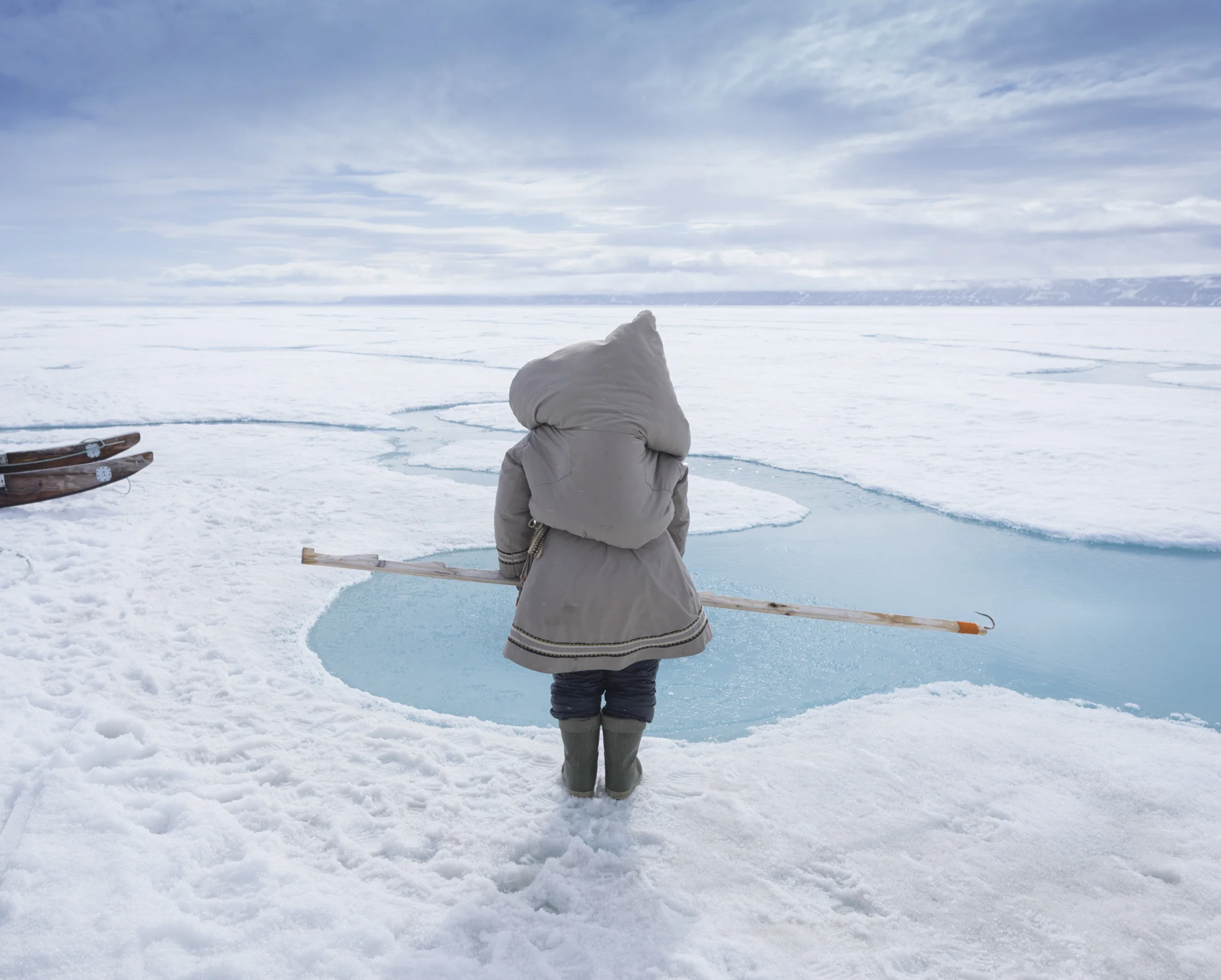
Inuit ate meats such as fish, seal, caribou, and whale, particularly the fat and blubber. They were often eaten raw, frozen, or dried. The fat contains nutrients from plants the animal had eaten. Cooking the meat would reduce the amounts of nutrients consumed, so they were primarily eaten raw when freshly caught. In the summer months they would supplement raw meet with some plants and berries, but summer would only last about two months.
As a side note, I found an interesting recipe for making “marrow butter.” I cannot say if this is an Inuit food, but thought useful if you are ever interested in using every part of those roasts you buy (I know I am). I imagine that would be tastily spread on bannock, a flat round bread that could be cooked over a seal oil lamp, called a qulliq. The word bannock may have been introduced by Scottish fur traders, along with white flour, but they were made before European contact with ground beans, acorns, or camas bulbs. For more variations of palauga, check out this history of bannock. I learned about bannocks from this NPR article, but it is specifically about Canadian Inuit in Nunavut, so I am unsure whether bannocks would have been cooked by those near Nome.
During the short summer months, Inuit took full advantage of plants and berries that grew during the 20+ hours of sunlight. A few plants that could be gathered are fiddlehead ferns, fireweed shoots, Eskimo potato plants, and mushrooms. Fiddlehead ferns sounded familiar to me when I read about them, but it took a while to remember from where: my camp days! There are plenty of ferns in northern Michigan, and I read about eating them in a Tom Brown Jr. book. I would think about trying them, but never did. Fireweed shoots are like asparagus, and I understand the white part underground is the sweetest.
What kind of berries could live on the chilly Seward Peninsula? Blueberries, crowberries, and high-bush cranberries, and low-bush cranberries, just to name some. Blueberries were often preserved by drying, and I keep coming across blueberry cobbler recipes from Alaska. High-bush cranberries were preserved by making jam. Crowberries were used in pies, and I found a delicious sounding recipe for low-bush cranberry sauce.
You may note my use of the word “were” in the first paragraph sentence (“…they were adept at surviving…”). Because of western culture influence and/or interference, the number of Inupiat that relay on the land to subsist has drastically shrunk. Multiple studies have said that only 10%-36% of calories (or less) are from the traditional food sources I’ve talked about in this post.
It’s a tale we’re familiar with. White people come, disrupt their way of life, and think that the white/western ways are superior. Some people recognized the Inuit lifestyle was well suited to the artic weather, like Amundsen, the Norwegian explorer who reached the south pole in in 1911. Amundsen had spent two years in the Artic, so he credits his expedition’s success on the diet of raw fatty fish, seals, and other freshly killed seafood. Eating the food raw provided his crew with nutrients needed to prevent scurvy. But Amundsen was the exception, not the rule.
There is a controversy I do not want to weigh into, but is worth noting. Some people believe that the Inuit meat based diet was healthy, and that the amount of fish oil in it contributed to low occurrences of heart disease. Others are point out that fish oil has never been medically proven to help, and that recent research demonstrates the diet increases the likelihood of heart disease. It seems each side of the argument might be biased, with meat eaters want to believe their lifestyle is healthiest, and vegetarians advocating for theirs. In one of the articles I read, a literature review of cardiac health in Inuit, it reviewed studies performed between were from 1967 to 2013, and concluded that Inuit had the same number of coronary artery disease as other people. However, by 1967, the traditional Inuit diet had been very disrupted by the introduction of imported processed foods, so the literature review cannot accurately comment on the traditional Inuit diet.
How any this will be used in the book is yet to be seen. In all likelihood, I’ll have to do a lot more research into specifics, such as how fish were caught/dried/and stored, which Inuit foods settlers adopted, and how settlers were able to stash enough food away for the winters. That information would have had a direct impact on my characters and the work required of them before winter came again, even while living with the increasing excitement of the airplanes’ arrival.
 Northern Skies Publishing