
My husband and I have started going through the steps of building our own home. It would be a country home about 15 minutes from town, on a 10 acre parcel, with a couple hills that provide a nice view of the farming valley. We just visited the site yesterday, and standing on the hill, it felt like home.
Imagining the final result is amazing, but at the moment it feels more like an intellectual problem. We mull over things constantly, balancing our needs, wants, and making it fit to our hypothetical future budget. It’s been a fun project to dive into because it got me thinking about 10-30 years out from now. Sometimes thinking beyond this week is difficult to predict, let alone nearing retirement. We’ve had good conversations about what we want for our daughters, how we can support our parents as they age, what town-living amenities we can’t live without, what our retirement years would ideally look like, and the unlikelihood of passing down the house to our kids. But there is another important consideration that weighs on me.
Global warming.
The temperature change forecast for Ohio is not pretty, with all seasons an average 5 degrees warmer and more frequent rain, but also mini-droughts, which I presume will only get worse as the temperature continues to rise. Since we are planning to live in the home we build for 20+ years, we need to take the temperature increase into account. We’re looking into building using ICF’s for their excellent insulation, a geothermal system, solar panels, and tint films for our windows. I also want to establish drought resistant plants and trees, and design a subsistence garden system to be sustained by water barrels instead of from the aquifer. Some of these ideas are to make our carbon footprint smaller, others are likely to save us money in the long-run, or both.
I hear people scoffing from my seat here in Panera. I hear the voices saying it’s important, but so far away that we don’t need to worry yet. I hear voices claiming it’s unavoidable, so why bother. I hear voices protesting change, whether it’s inevitable or not, because people really don’t like change. I hear people say global warming is real, and that they care, but do nothing.
I understand the lack of action and sense of urgency. My buddy Shankar explained how our instincts are working against us feeling urgency for long-term problems like climate change on a program of his, “Losing Alaska.”
–pause–
Aside #1: I bet you were wondering how this could connect back to Alaska, huh? I’ve learned so much about Alaskan history and native lifestyle, it disturbs me to think of it disappearing. Permafrost melting, glaciers shrinking, and record high temperatures are the results of climate change now, not a future prediction.
Aside #2: A friend from high school has lived in Alaska for a few years now, and took some spectacular pictures of Mendenhall glacier. You can read about her hike across the frozen glacial lake and look at the pictures here.
–resume–
In another episode of Hidden Brain titled “I’m Right, You’re Wrong,” Shankar talks about why it is so difficult to change opinions, even in the face of overwhelming data to the contrary. Climate change deniers, right?
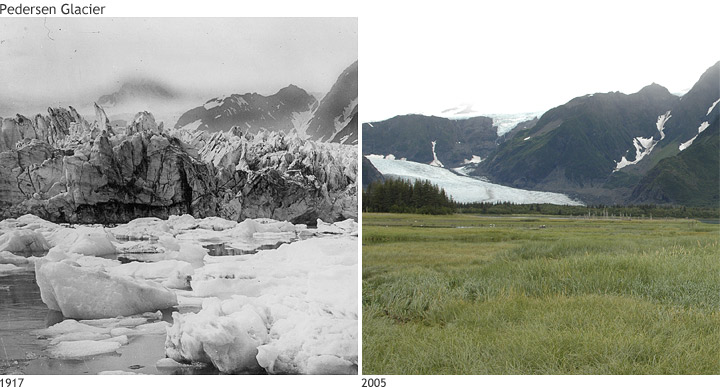
Listen to these episodes. Take them in. Look at the pictures. Let them roll around in your brain over this next week. Then consider how the melting permafrost will create a cycle of continual warming and release 400,000 year old bacteria. Consider how changing temperatures will impact life everywhere through weather pattern changes like wind and precipitation.
Too much pressure for you to do more, be more, advocate more? I get that too. It can be overwhelming, and individuals can only do so much. There are all kinds of hokey sounds bites about “changing your mind”, “taking action now”, and how “each little bit helps”. They’re cliché now because they’ve been used for the last 25 years, but they’re not wrong. Think about what you want for your future, and be proactive. Passivity is the problem.
–gets down off her soap box and returns to Alaska research–
 Northern Skies Publishing